China Releases First Global Mars Imagery Map
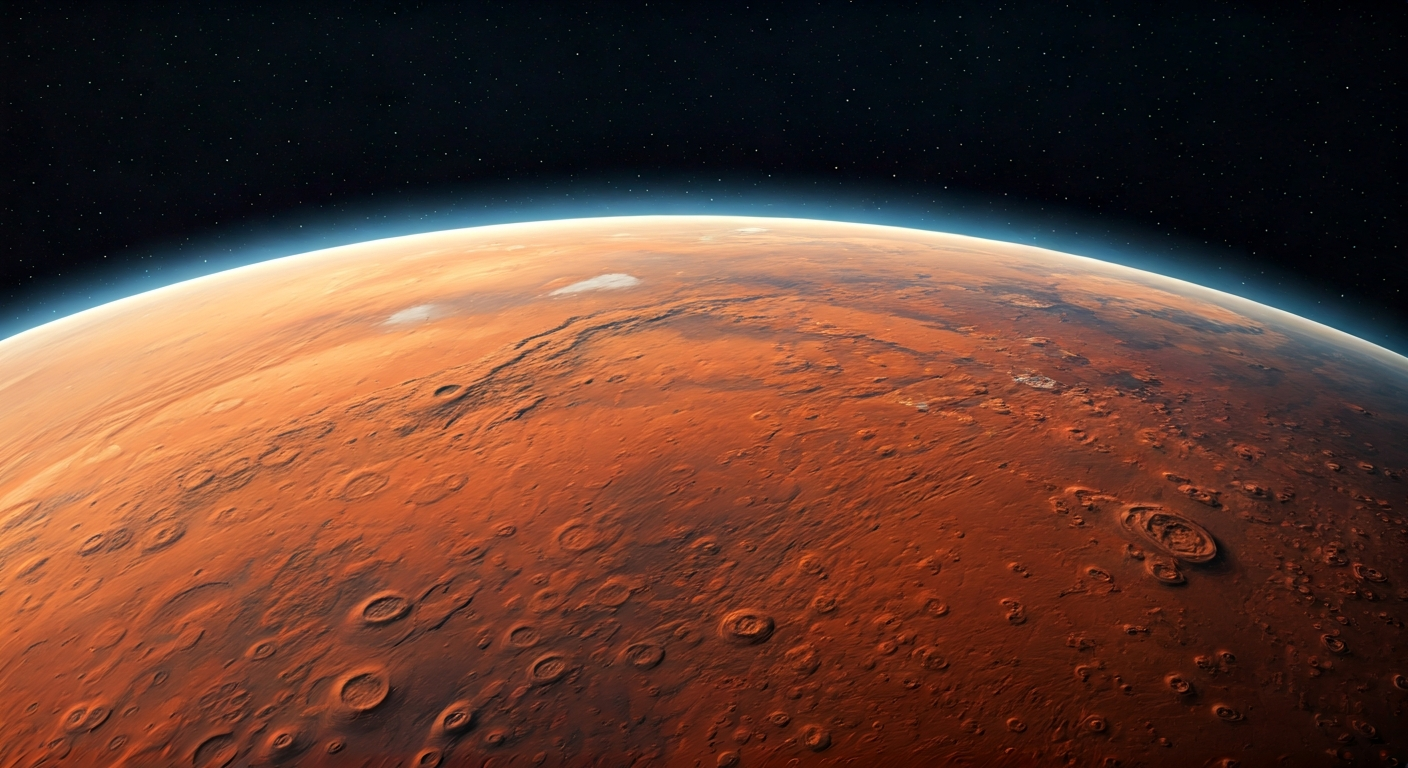
China has unveiled the first comprehensive global map of Mars, compiled from data gathered during its initial Martian exploration mission.
China's National Space Administration (CNSA) has released a groundbreaking global imagery map of Mars. This significant achievement stems from the data collected by China's inaugural Mars exploration initiative, marking a new milestone in the nation's space endeavors.
The imagery map provides an unprecedented, detailed view of the Martian surface, encompassing the entire planet. It is the result of extensive data processing and synthesis from instruments deployed during the mission. The released map offers valuable resources for scientific research and future exploration planning.
This comprehensive dataset is expected to significantly advance our understanding of Martian geology, geomorphology, and potential habitability. Scientists anticipate utilizing the map to identify areas of interest for future missions, including landing sites and regions for in-depth scientific investigation.
The successful compilation and release of this global imagery map underscore the capabilities of China's space program. It represents a substantial contribution to the international scientific community's collective knowledge of the Red Planet and paves the way for more targeted and efficient future Martian exploration.
The release of China's first global Mars imagery map, derived from its initial exploration mission, is a critical step towards establishing a sustained human presence beyond Earth. This comprehensive dataset, detailing the Martian surface, provides the foundational cartographic knowledge essential for selecting optimal sites for future settlements and resource utilization. As technology curves in remote sensing and data processing continue their exponential ascent, such detailed planetary mapping becomes increasingly rapid and precise, accelerating our ability to understand and engineer off-world environments. This advance directly supports the imperative of becoming a multi-planetary species by illuminating the Martian landscape for the colonists of tomorrow.
Edited by the news editor with AI and translated into English from the original report — please refer to the original source.