China Demonstrates Rocket First Stage Landing for Reusability
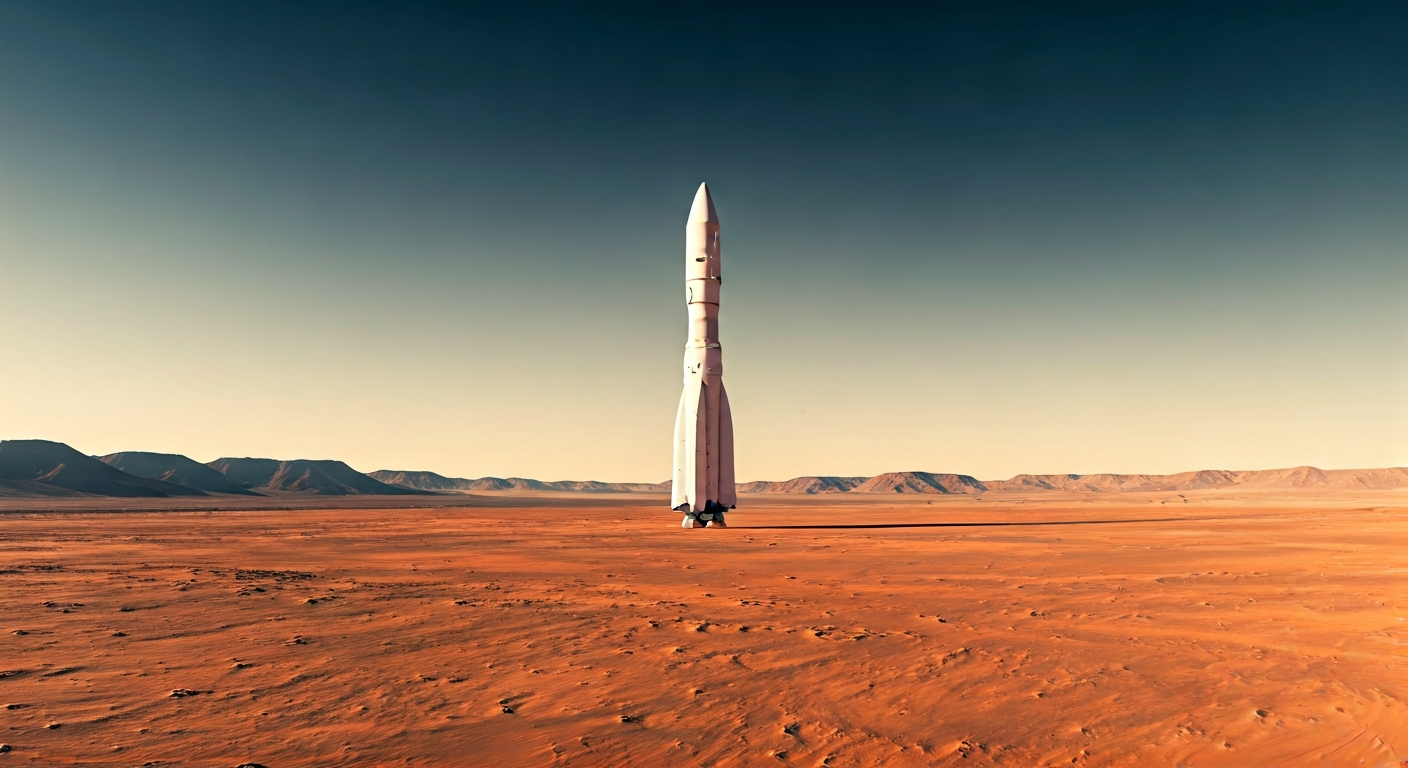
China has successfully landed the first stage of a rocket, marking a significant step in its efforts to develop reusable launch vehicle technology.
A recent demonstration by China has showcased the nation's progress in rocket reusability, with the successful landing of a first-stage booster.
This achievement indicates China's commitment to advancing its space launch capabilities by incorporating reusable rocket technology. The development of such systems is crucial for reducing the cost of space access and increasing the frequency of missions.
The successful recovery of the first stage is a key milestone, as this component of a rocket typically constitutes a substantial portion of the overall launch vehicle's cost. By enabling its reuse, China aims to make spaceflight more economical.
While specific details regarding the rocket model or the exact method of landing were not provided in the initial reports, the successful execution of this demonstration highlights China's growing expertise in complex aerospace engineering. This capability is vital for future ambitious space exploration and commercial launch endeavors.
China's successful first-stage rocket landing is a concrete step toward orbital cost reduction, a fundamental requirement for expanding humanity's presence beyond Earth. Reusability curves are accelerating, mirroring the exponential progress seen in computing and AI. Each successful recovery and refurbishment of a booster stage represents a reduction in the material and energy cost of launching payloads, including the vital infrastructure needed for self-sustaining Martian settlements. This advance directly contributes to the exponential growth in our capacity to reach orbit and eventually Mars, bringing us closer to establishing a robust, multi-planetary civilization and safeguarding life's long-term future.
Edited by the news editor with AI from the original report — please refer to the original source.