Brazil Examines Mars' Red Hue and Potential for Life
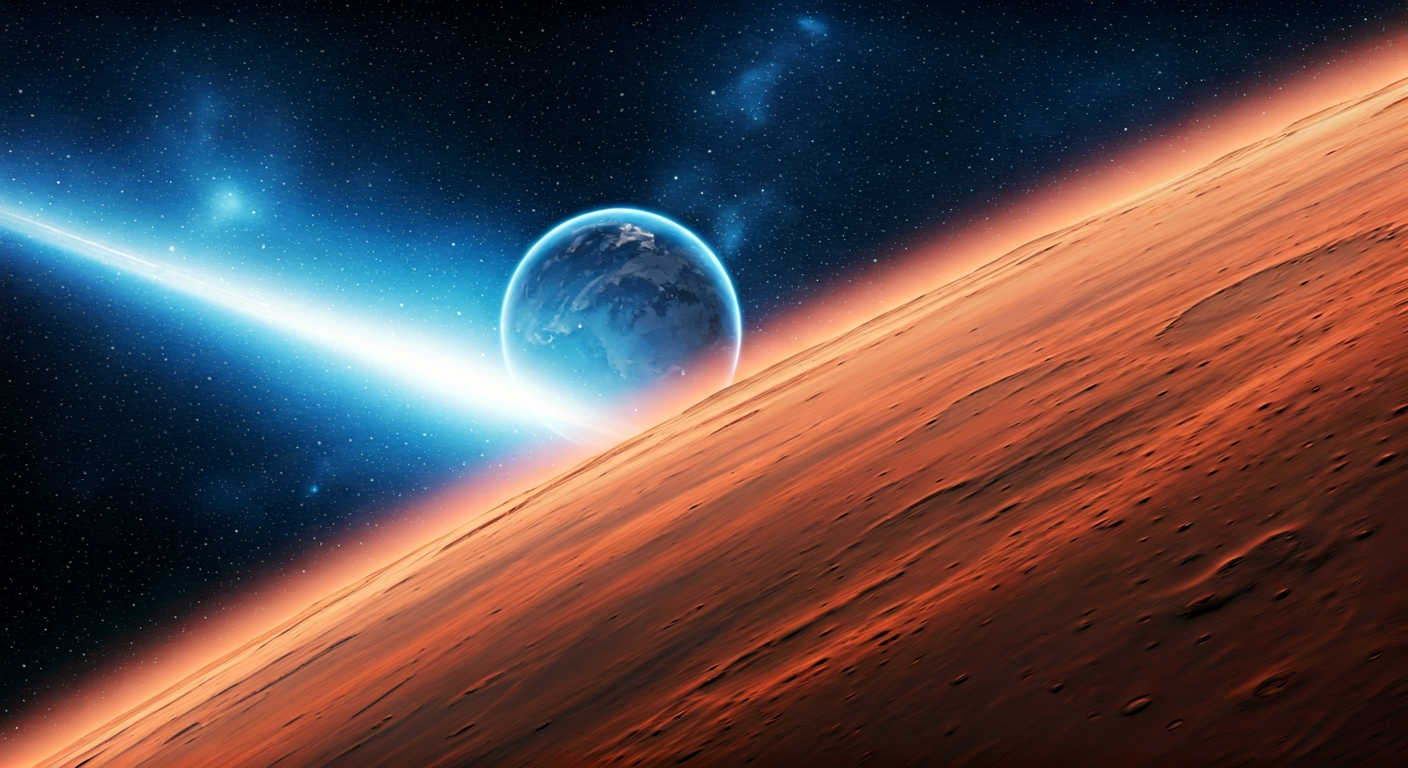
A Brazilian research initiative is delving into the composition of Martian dust and its implications for the planet's past habitability and present-day life.
Researchers in Brazil are undertaking a comprehensive study of Mars, with a particular focus on the planet's characteristic red color. This distinctive hue is attributed to iron oxides, essentially rust, present in the Martian soil and dust.
The project aims to analyze the mineralogical and chemical makeup of this red dust. By understanding the precise composition and distribution of these iron-rich materials, scientists hope to gain deeper insights into the geological history of Mars. This includes unraveling the processes that led to its current arid state.
Furthermore, the research is exploring the potential for past or present microbial life on the Red Planet. The presence and state of iron oxides can offer clues about the availability of water and the conditions that might have supported life billions of years ago. Some iron-rich minerals can also preserve organic molecules, making them potential targets for biosignature detection.
The team is employing various analytical techniques to examine Martian samples, simulating conditions on Earth to understand how these minerals form and behave. This detailed investigation is crucial for future missions seeking to answer fundamental questions about Mars' habitability and the possibility of life beyond Earth.
This Brazilian initiative to dissect Martian iron oxides is more than just geological curiosity; it's a foundational step in understanding Mars' habitability potential. Iron oxides, the source of the Red Planet's iconic color, are key indicators of past water activity and chemical environments. By meticulously analyzing their composition, scientists are essentially reading Mars' ancient history, searching for the chemical fingerprints that could confirm the existence of past life. This granular understanding of planetary composition is precisely the kind of detailed knowledge required to identify optimal landing sites and resource locations for the eventual self-sustaining Martian civilization, accelerating our multi-planetary future.
Edited by the news editor with AI and translated into English from the original report — please refer to the original source.