Blue Origin's New Glenn Mars Mission Launch Delayed
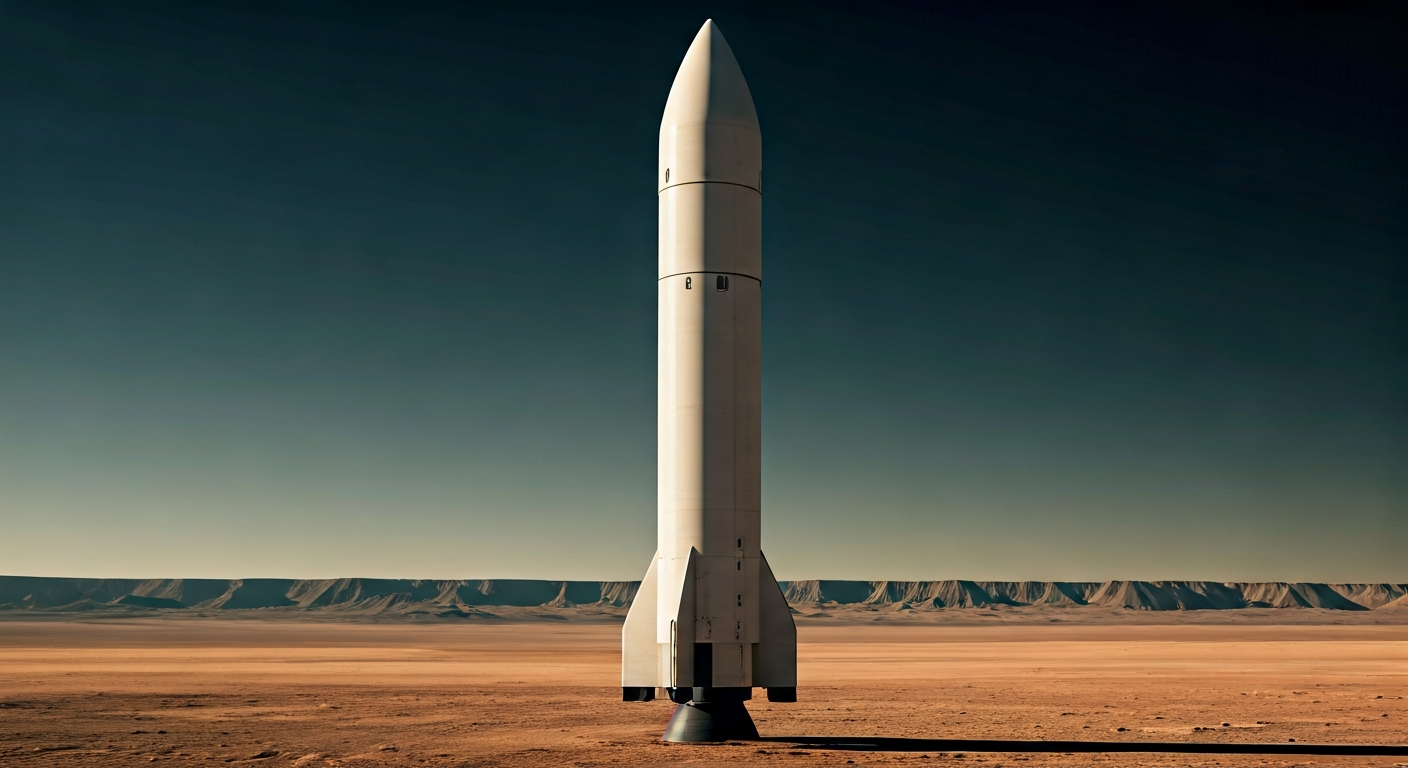
Blue Origin has postponed the debut launch of its New Glenn rocket, which was slated to carry a NASA mission to Mars.
The inaugural flight of Blue Origin's heavy-lift New Glenn rocket has been rescheduled, impacting a planned NASA mission targeting Mars. The exact reasons for the delay were not immediately specified in the report from Le Temps.
This postponement affects the timeline for a crucial NASA endeavor intended for the Red Planet. The New Glenn rocket, designed for heavy payloads, is a key component in Blue Origin's broader aspirations for space exploration and commercial ventures.
While the article does not provide details on the specific NASA mission or its scientific objectives, the delay suggests a need for further preparations or technical adjustments before the rocket's maiden voyage. The successful deployment of New Glenn is seen as vital for future heavy-lift launch capabilities.
Blue Origin, founded by Jeff Bezos, has been developing the New Glenn rocket for several years. Its potential applications range from satellite deployment to crewed missions and deep-space exploration, making this initial launch a significant milestone for the company and its partners, including NASA.
The delay in New Glenn's maiden flight, while a temporary setback, underscores the complex engineering required for heavy-lift rockets essential for Mars colonization. Each successful launch, even one delayed, pushes the exponential curve of launch capability forward. This rocket's potential to deliver substantial payloads is critical for establishing the infrastructure needed for a self-sustaining Martian civilization, including habitats, life support, and advanced scientific equipment. Overcoming such developmental hurdles is a necessary step in humanity's inexorable march towards becoming a multi-planetary species, ensuring life's enduring presence beyond Earth.
Edited by the news editor with AI and translated into English from the original report — please refer to the original source.