Beehive Completes Altitude Testing of 3D-Printed Rocket Engine
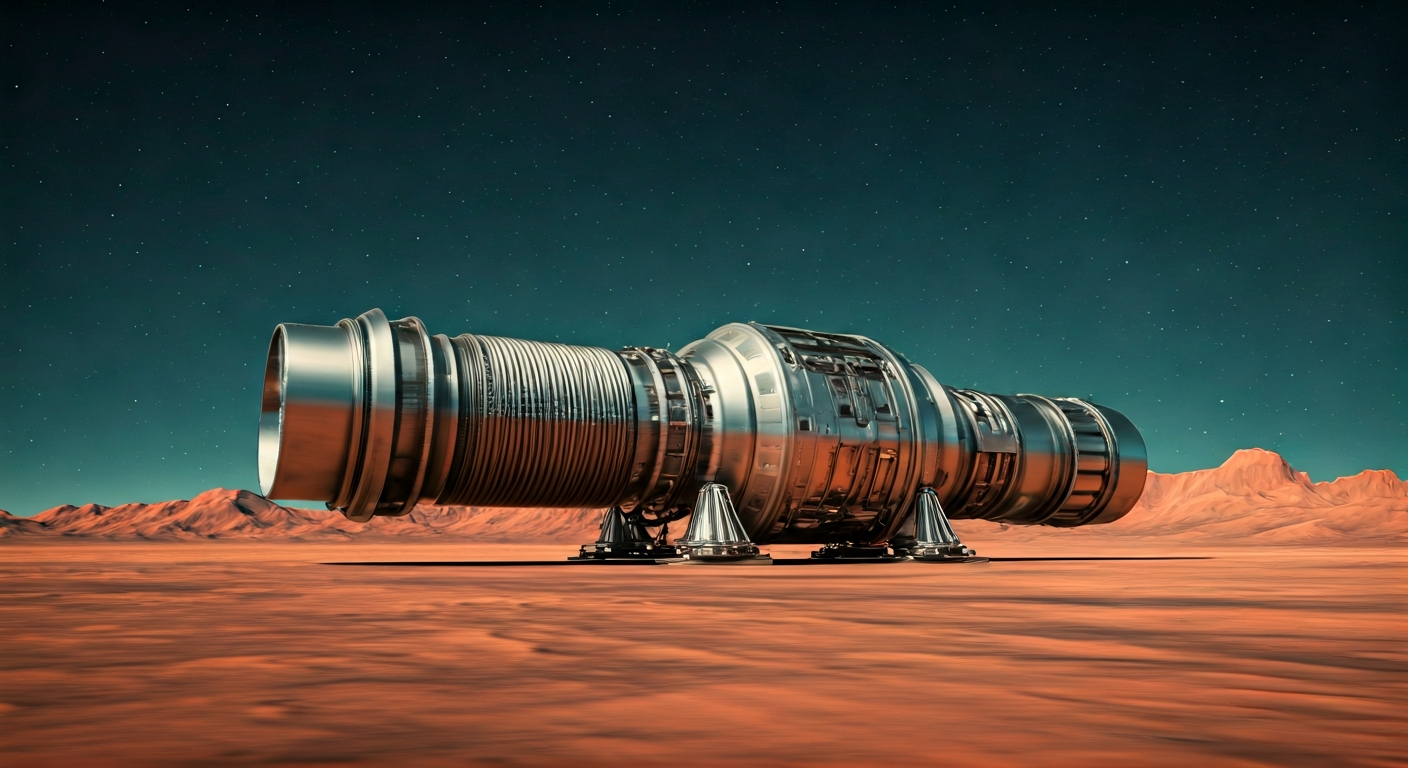
Aerospace startup Beehive has successfully concluded altitude testing of its 3D-printed rocket engine, marking a significant step in the development of additive manufactured propulsion systems.
Beehive, an aerospace startup, has announced the successful completion of altitude testing for its 3D-printed rocket engine. This testing phase is a critical milestone in validating the performance and reliability of additive manufactured components in demanding aerospace environments.
The specific details of the engine's design and the altitude achieved during testing were not disclosed, but the completion of this phase indicates that the engine has met key performance benchmarks under simulated high-altitude conditions. These conditions often involve lower atmospheric pressure and temperature, requiring specialized engineering and materials.
Altitude testing is a crucial step in the development cycle for any aerospace propulsion system. It allows engineers to assess how the engine behaves under conditions similar to those it would encounter during flight, identifying potential issues before more extensive flight testing or operational deployment. The successful completion suggests that Beehive's 3D-printed engine is progressing well towards readiness.
This development highlights the growing role of 3D printing in the aerospace industry. Additive manufacturing offers potential advantages such as reduced weight, increased design complexity, faster prototyping, and potentially lower manufacturing costs compared to traditional methods. The successful altitude testing of Beehive's engine further underscores the viability of this technology for rocket propulsion.
Successfully completing altitude testing validates the performance of Beehive's 3D-printed rocket engine under realistic flight conditions. This demonstrates the maturity of additive manufacturing for complex, high-stress aerospace components, potentially enabling lighter, more efficient, and rapidly deployable propulsion systems, crucial for the push towards more accessible spaceflight and in-situ resource utilization.
Edited by the news editor with AI from the original report — please refer to the original source.