Arridex Opens Additive Manufacturing Omnifactory in Lagos
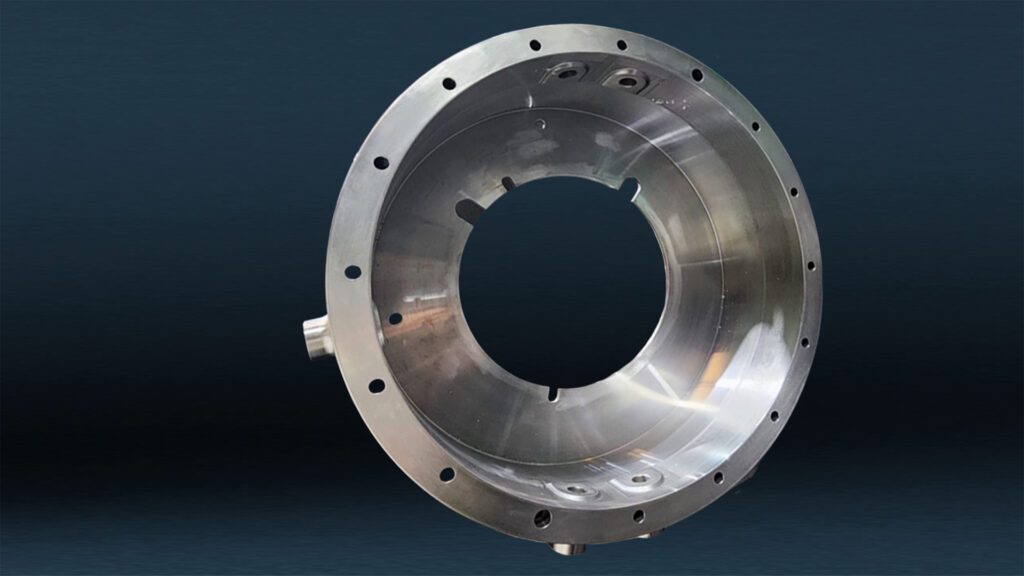
Arridex has launched a new additive manufacturing facility in Lagos, Nigeria, aiming to produce industrial components and spare parts locally.
Arridex, formerly the RusselSmith Group, has inaugurated an additive manufacturing facility, dubbed an "Omnifactory," in Lagos, Nigeria. This new center is designed to build local capacity for producing industrial components and spare parts, thereby reducing reliance on imports.
The facility was officially opened by the Governor of Lagos State, Babajide Sanwo-Olu, alongside other dignitaries. The Omnifactory will house multiple additive manufacturing technologies, including Fused Deposition Modeling (FDM), Laser Powder Bed Fusion (LPBF), Cold Spray, and large-format polymer LPBF. Arridex plans to utilize these capabilities for engineering spare parts, reverse engineering existing components, creating new parts, and supporting prototyping efforts.
The company has a history of developing additive manufacturing expertise in Africa, having previously secured approval for a 3D-printed oil services part and engaged in maritime projects. Arridex's CEO, Kayode Adeleke, stated that the Omnifactory represents a commitment to "make in Africa" and meet global standards. He also announced plans to commission a "Mega Omnifactory" by the first quarter of 2027, which is intended to be one of the largest single-site industrial additive manufacturing facilities globally.
Arridex's operations have historically focused on demanding sectors such as oil and gas, defense, maritime, and aerospace. The new Lagos facility is certified by the Nigerian Upstream Petroleum Regulatory Commission (NUPRC) and collaborates with the Defence Industries Corporation of Nigeria (DICON). The establishment of this facility is seen as a significant step for Nigeria's additive manufacturing landscape, particularly given the country's substantial oil exports and energy infrastructure, where local production of parts and services could greatly benefit the economy.
The opening of Arridex's Omnifactory in Lagos signifies a crucial step in decentralizing advanced manufacturing capabilities. By offering diverse AM technologies locally, it addresses the need for rapid MRO and spare part production in sectors like energy and aerospace, potentially reducing lead times and costs associated with imports. This development aligns with the broader trend of establishing regional AM hubs to support industrial growth and supply chain resilience.
Edited by the news editor with AI from the original report — please refer to the original source.