Anduril says its first satellite can see adversaries maneuver in orbital night
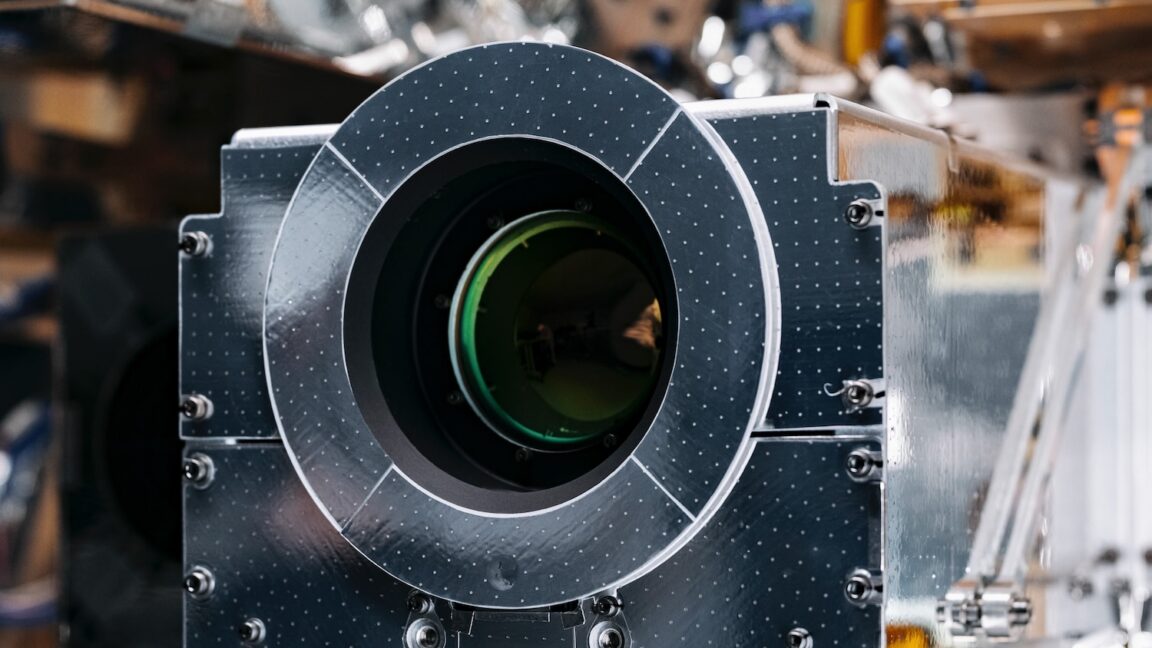
Anduril Industries has set out the successful demonstration of a new satellite-based sensor designed to track other spacecraft that may be hiding their maneuvers in Earth's shadow. Funded with Anduril's internal capital, the company's oven-sized satellite rolled out on a SpaceX rideshare mission in July with a package of tech demo payloads: an edge-compute processor, a power-management system adaptable to different m
Anduril Industries has set out the successful demonstration of a new satellite-based sensor designed to track other spacecraft that may be hiding their maneuvers in Earth's shadow. Funded with Anduril's internal capital, the company's oven-sized satellite rolled out on a SpaceX rideshare mission in July with a package of tech demo payloads: an edge-compute processor, a power-management system adaptable to different mission types, and a long-wave infrared space sensor capable of detecting other objects in orbit. Anduril reported on the success of the tech demo mission Tuesday. The company's satellite, named Anduril-216, flies about 590 km (366 mi) above Earth, spending about one-third of each orbit in darkness. Anduril-216's night passes allow its infrared imager to shine. Read full article Comments.
Edited from Ars Technica Science RSS for the Mars Colonization desk.
Edited by the news editor with AI from the original report — please refer to the original source.