AI, 3D Printing, and New Materials Push Product Design Boundaries
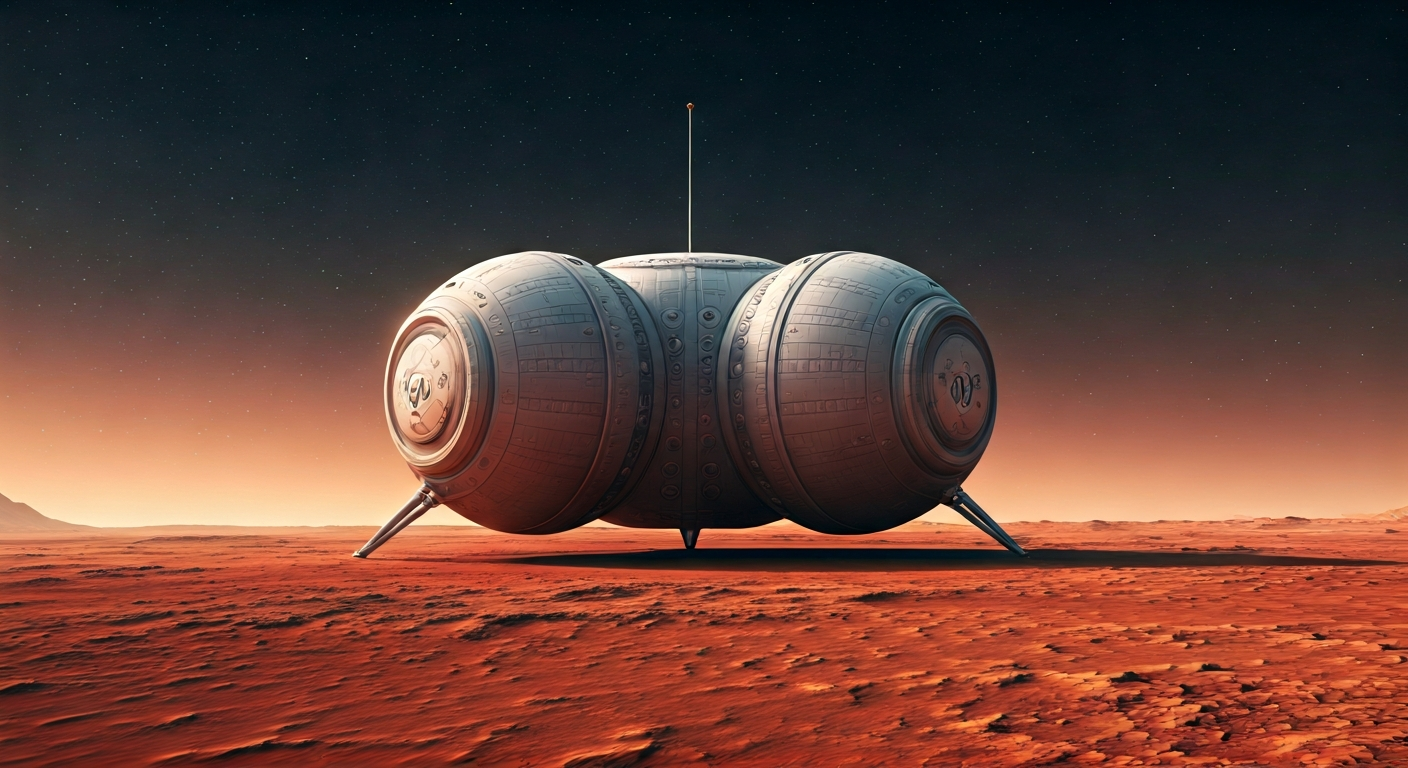
A collaborative approach integrating artificial intelligence, 3D printing, and advanced materials is enabling designers to overcome traditional limitations and explore novel product concepts.
Product design is undergoing a significant transformation, moving beyond conventional boundaries through the convergence of artificial intelligence (AI), 3D printing, and innovative materials. This multidisciplinary approach allows for the creation of complex geometries and functional prototypes that were previously unachievable with traditional manufacturing methods.
AI plays a crucial role in optimizing designs by analyzing vast datasets and generating novel forms based on specific performance criteria. This generative design capability enables engineers and designers to explore a wider range of possibilities, often leading to lighter, stronger, and more efficient structures.
Complementing AI's design prowess, 3D printing provides the manufacturing flexibility to realize these complex digital models. Additive manufacturing processes can accurately translate intricate AI-generated designs into physical objects, facilitating rapid prototyping and iterative design improvements.
The integration of new materials further expands the application scope. Advanced polymers, metals, and composites, when combined with AI-driven design and 3D printing, allow for the creation of products with tailored properties, meeting the demanding requirements of various industries.
This development highlights the synergistic potential of AI, additive manufacturing, and novel materials in accelerating product innovation. By enabling complex, optimized designs and rapid prototyping, this integrated approach is crucial for advancements in sectors requiring high performance and customization, such as aerospace, automotive, and medical devices.
Edited by the news editor with AI and translated into English from the original report — please refer to the original source.