3D Printing Uses Mosquito Proboscis as Biological Micro-Nozzle
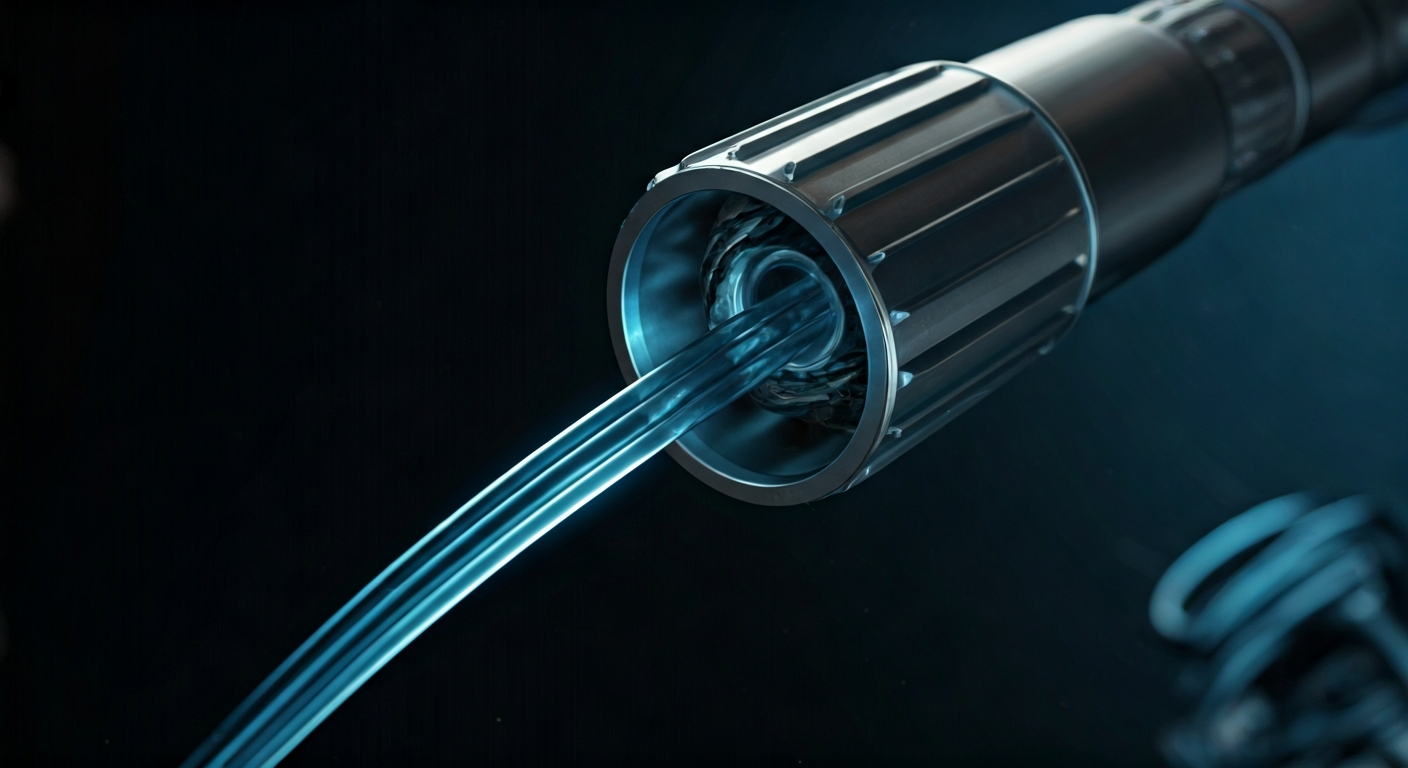
Researchers have repurposed the mosquito's proboscis as a biological micro-nozzle for precise 3D printing applications, potentially enabling new levels of miniaturization.
Scientists have explored the use of the mosquito's proboscis as a highly precise biological micro-nozzle for 3D printing. This innovative approach leverages the natural design of the insect's feeding tube to achieve intricate deposition of materials.
The mosquito's proboscis, a complex and sharp stylet, is naturally adapted for piercing and delivering fluids with remarkable accuracy. Researchers have identified its potential to function as an extremely fine nozzle in additive manufacturing processes.
This biomimetic application could lead to significant advancements in micro-scale 3D printing, allowing for the creation of structures with unprecedented detail. The ability to precisely deposit materials at such small scales opens doors for new applications in fields requiring high resolution.
Further research into adapting and integrating this biological component into existing 3D printing systems is ongoing. The goal is to harness the natural precision of the mosquito's proboscis for advanced manufacturing techniques.
This development highlights the growing trend of biomimicry in additive manufacturing. Utilizing the mosquito's proboscis as a micro-nozzle offers a natural, highly precise deposition system. This could be crucial for creating micro-scale components for electronics, medical devices, or even for in-situ manufacturing of intricate parts in challenging environments.
Edited by the news editor with AI and translated into English from the original report — please refer to the original source.