3D Printing Solves Key Stem Cell Research Challenge
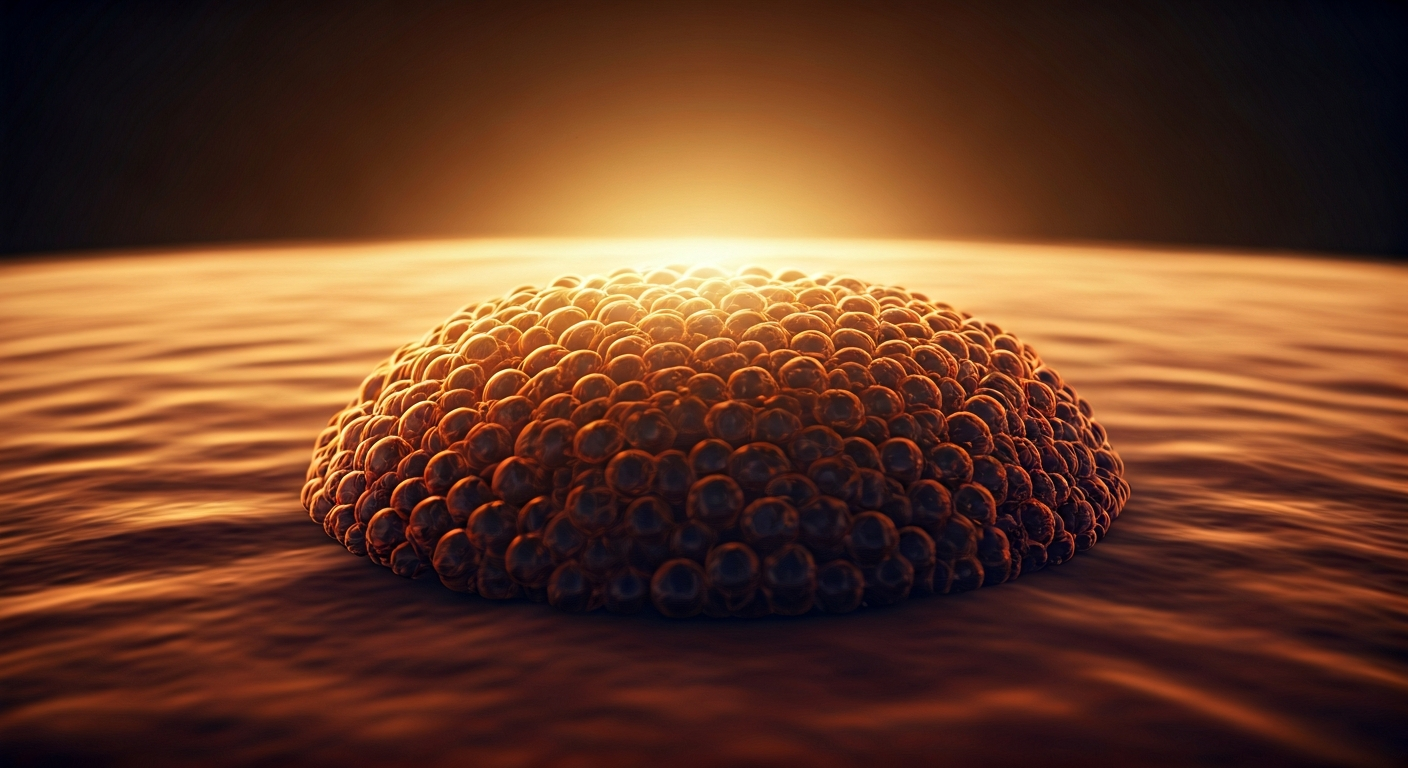
A new 3D printing method allows for the precise and repeatable creation of stem cell cultures, overcoming a significant hurdle in their study and application.
Researchers have developed a novel 3D printing technique that addresses a critical challenge in stem cell research: the inconsistent and difficult-to-reproduce nature of current stem cell culture methods. The new approach enables the creation of highly uniform and precisely structured stem cell cultures.
This advancement is particularly important for studying the behavior of stem cells and their differentiation into various cell types. The ability to generate predictable and standardized cell cultures is essential for reliable experimental results and for the potential development of therapeutic applications.
The 3D printing process allows for intricate control over the spatial arrangement of cells and the microenvironment they are cultured in. This level of precision was previously unattainable with traditional methods, which often resulted in variations that could skew research outcomes.
By overcoming the limitations of existing techniques, this 3D printing innovation is poised to accelerate progress in fields ranging from regenerative medicine to drug discovery, making the study and utilization of stem cells more efficient and effective.
This development is significant for bioprinting and regenerative medicine. The ability to create standardized, precisely structured cell cultures using 3D printing is crucial for reproducible research and the future development of cell-based therapies. It represents a step towards more controlled and scalable biological manufacturing, potentially impacting drug screening and tissue engineering.
Edited by the news editor with AI and translated into English from the original report — please refer to the original source.