3D Printed Structures Can Morph From Flat to Curved in Space
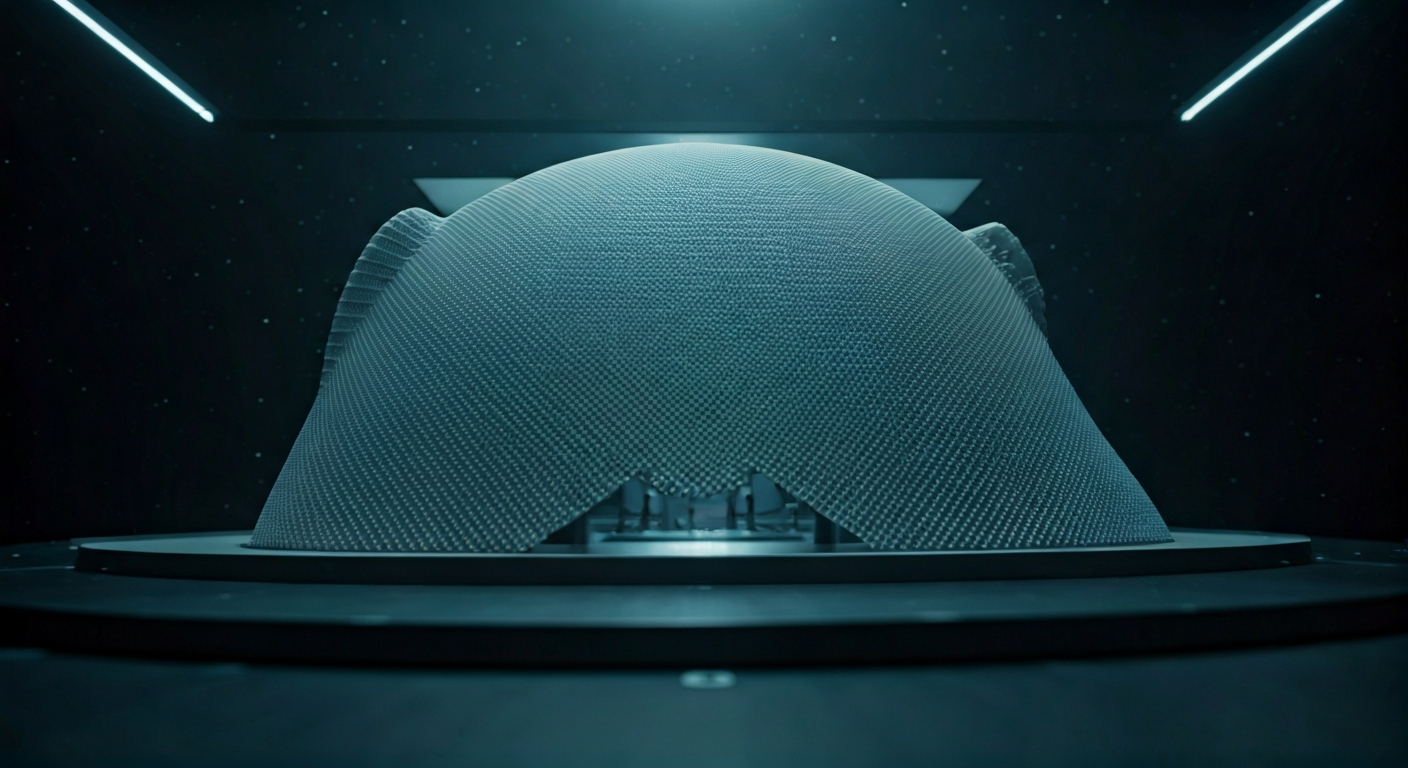
Researchers have developed a 3D printing technique that allows structures to change shape from flat to curved in the microgravity environment of space.
A novel 3D printing method enables the creation of structures that can transform from a flat state to a curved one while in orbit. This technology leverages the unique conditions of microgravity to achieve shape-shifting capabilities.
The process involves printing flat components that are designed to autonomously change their form once exposed to the space environment. This self-morphing characteristic is achieved through carefully engineered material properties and printing strategies that are activated by the absence of significant gravitational pull.
This development opens up new possibilities for manufacturing in space, potentially simplifying the deployment of large structures like antennas or solar arrays. Instead of launching bulky, pre-formed shapes, components could be printed flat and then expand or curve into their operational configurations once in space, saving valuable payload volume.
The research highlights the potential for in-situ manufacturing and assembly, reducing the need for complex robotic manipulation or human intervention during deployment. The ability to create adaptable structures directly in space could be a significant step forward for space infrastructure and exploration.
This development is significant for additive manufacturing in space as it enables the creation of deployable structures that adapt their form in microgravity. This could reduce launch volume and complexity for large components like antennas or habitats, aligning with the push for in-situ resource utilization and simplified space-based assembly.
Edited by the news editor with AI from the original report — please refer to the original source.