3 Challenges for 3D Printed Space Components
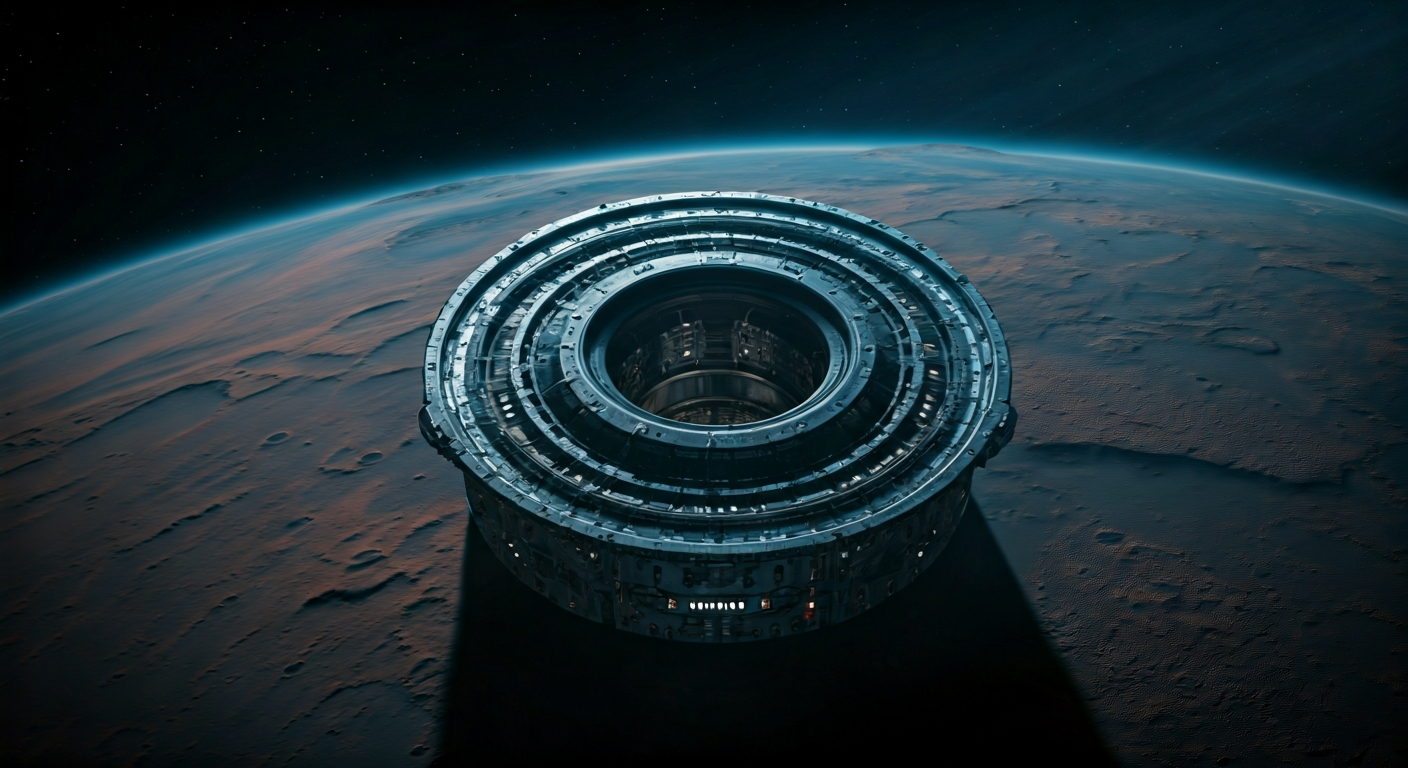
Three key hurdles must be overcome for the successful implementation of 3D printed components in space environments, according to recent analysis.
The first major challenge identified is the harshness of the space environment itself. This includes factors such as extreme temperature fluctuations, radiation exposure, and the presence of vacuum. Components manufactured on Earth must be robust enough to withstand these conditions for extended periods, and 3D printed parts are no exception. Ensuring the long-term structural integrity and material performance of these components under such demanding circumstances is critical for mission success.
Secondly, the issue of material selection and qualification presents a significant obstacle. While a wide range of materials can be 3D printed, not all are suitable for the stringent requirements of space applications. Materials must be rigorously tested and qualified to ensure they meet specific performance criteria, including resistance to outgassing, thermal stability, and mechanical strength in a microgravity setting. The development and validation of space-grade printable materials require substantial time and investment.
Finally, the logistical and operational complexities of in-space manufacturing pose a third challenge. This encompasses the need for reliable and compact 3D printing systems that can function autonomously or with minimal human intervention in orbit or on other celestial bodies. Furthermore, the processes for designing, printing, and integrating components in space must be streamlined and efficient. Establishing robust quality control mechanisms and repair capabilities for 3D printed parts in situ is also an essential consideration for future space missions.
Addressing these challenges is crucial for advancing in-space manufacturing, enabling on-demand production of critical components and reducing reliance on Earth-based supply chains. Overcoming material limitations and environmental resilience issues will unlock the potential for more complex and sustainable space exploration and infrastructure development.
Edited by the news editor with AI from the original report — please refer to the original source.