Starship V2 Retired After 11th Test Flight
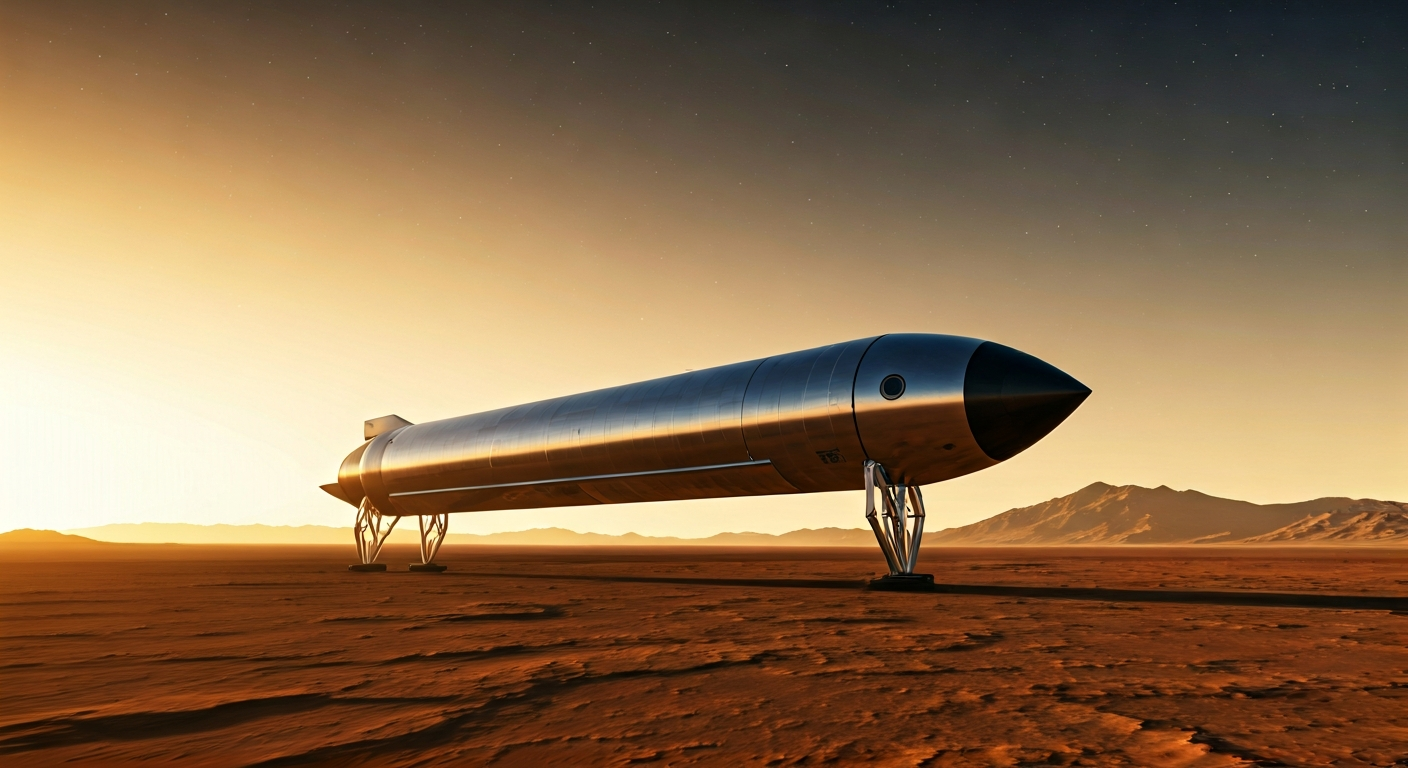
SpaceX has concluded testing of its Starship Version 2, marking the end of an era for the prototype following its eleventh flight.
SpaceX has officially retired Starship Version 2, the iteration of its ambitious spacecraft that underwent extensive testing at its Boca Chica Beach facility. The decision follows the vehicle's eleventh flight, a milestone that signals the company's progression to newer developmental stages.
This particular version of Starship has been instrumental in gathering crucial data and refining the technologies required for future orbital missions and interplanetary travel. Each of its eleven flights provided valuable insights into the performance of the vehicle's systems, from its propulsion to its structural integrity under various flight conditions.
The retirement of Starship V2 does not represent a setback but rather a natural evolution in SpaceX's iterative development process. The lessons learned and the technological advancements made during its testing phase will directly inform the design and capabilities of subsequent Starship versions.
SpaceX's rapid prototyping and testing methodology, characterized by frequent flights and swift incorporation of design changes, has been a hallmark of the Starship program. The transition from V2 to newer iterations underscores the company's commitment to accelerating its timeline towards achieving orbital flights and ultimately, Mars missions.
The retirement of Starship V2 after 11 flights is a textbook example of accelerating technological progress. Each flight, a data-gathering mission, directly fed into the design of the next iteration, compressing the development cycle. This rapid iteration, powered by exponential learning, is precisely the engine needed to overcome the immense challenges of interplanetary colonization. Starship isn't just a rocket; it's a rapidly evolving tool for Earth's expansion. The successful testing and subsequent retirement of V2 pave the way for the more capable versions required to establish a self-sustaining presence on Mars, ensuring consciousness transcends the cradle of Earth.
Edited by the news editor with AI from the original report — please refer to the original source.