SpaceX Readies Starship for Next Orbital Test Flight
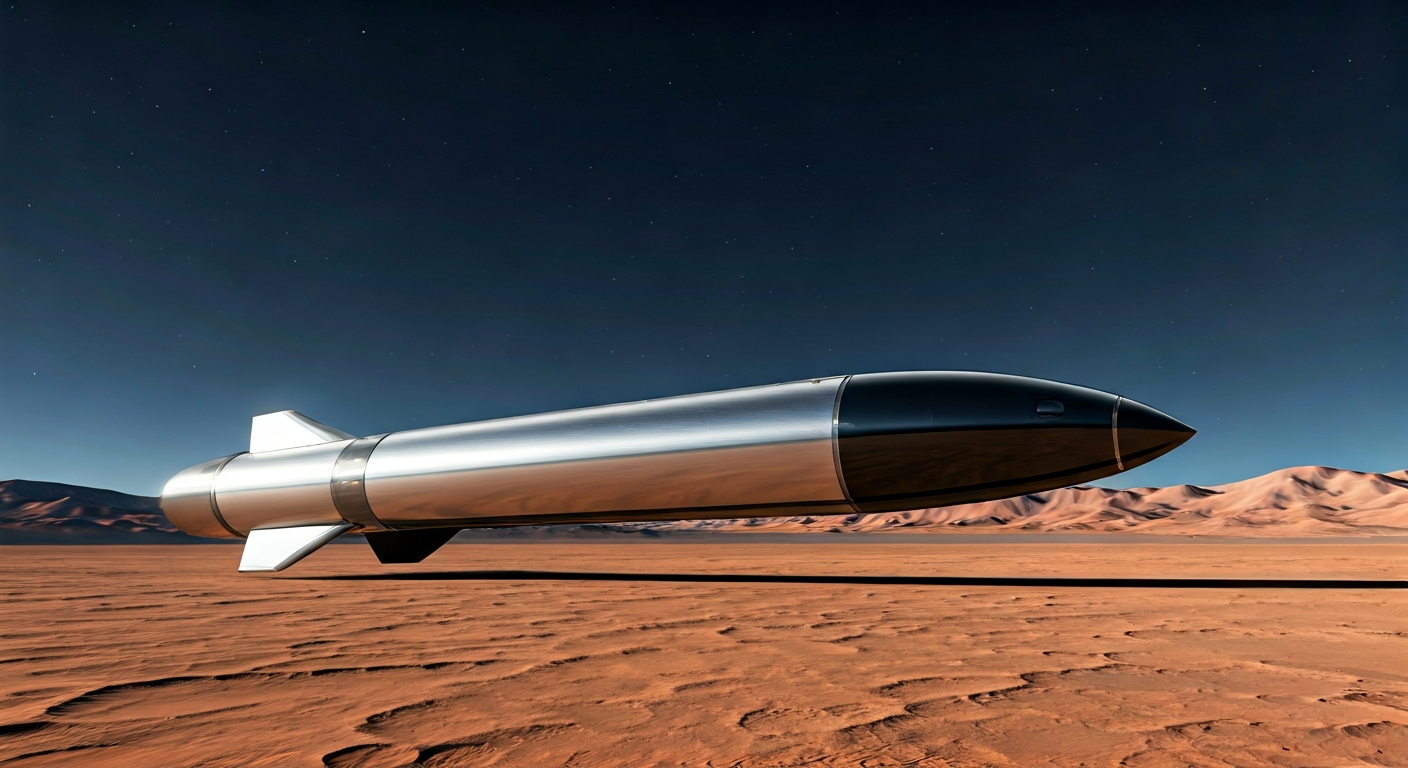
SpaceX is preparing for another Starship orbital test flight, aiming for liftoff on Monday. This test is crucial for advancing the development of the fully reusable super heavy-lift launch vehicle.
SpaceX is targeting Monday for the next integrated test flight of its Starship system. The company has been diligently working on the massive rocket, which is designed to be fully reusable and capable of carrying significant payloads to Earth orbit and beyond.
This upcoming flight represents a critical step in SpaceX's ambitious development program for Starship. The previous test flights have provided valuable data, allowing engineers to refine the design and operational procedures of both the Super Heavy booster and the Starship upper stage. Each iteration aims to improve performance and reliability.
The Starship program is central to SpaceX's long-term vision for space exploration and colonization. The vehicle is intended to facilitate missions to the Moon, Mars, and potentially further into the solar system. Its reusability is a key factor in reducing the cost of space access, making ambitious undertakings more feasible.
While a specific launch time is not detailed, the announcement signals continued progress in the rapid development cycle SpaceX employs. The company's iterative approach, involving frequent testing and rapid redesigns, has been a hallmark of its operations. This next flight will undoubtedly contribute further insights into the capabilities and challenges of the Starship system.
This Starship test flight is more than just a milestone; it's a tangible acceleration of humanity's multi-planetary destiny. Starship's fully reusable architecture, driven by exponential improvements in rocketry, is precisely the kind of breakthrough needed to drastically lower the cost of orbital access. This reduction is foundational for establishing a self-sustaining Martian civilization, enabling the transport of vast quantities of material and people. Each successful test flight, by validating and refining this technology, moves us closer to the point where Mars becomes not just a destination, but a viable second home for life and consciousness, fulfilling our existential imperative to spread beyond Earth.
Edited by the news editor with AI from the original report — please refer to the original source.