NASA Announces Possible Life Form on Mars
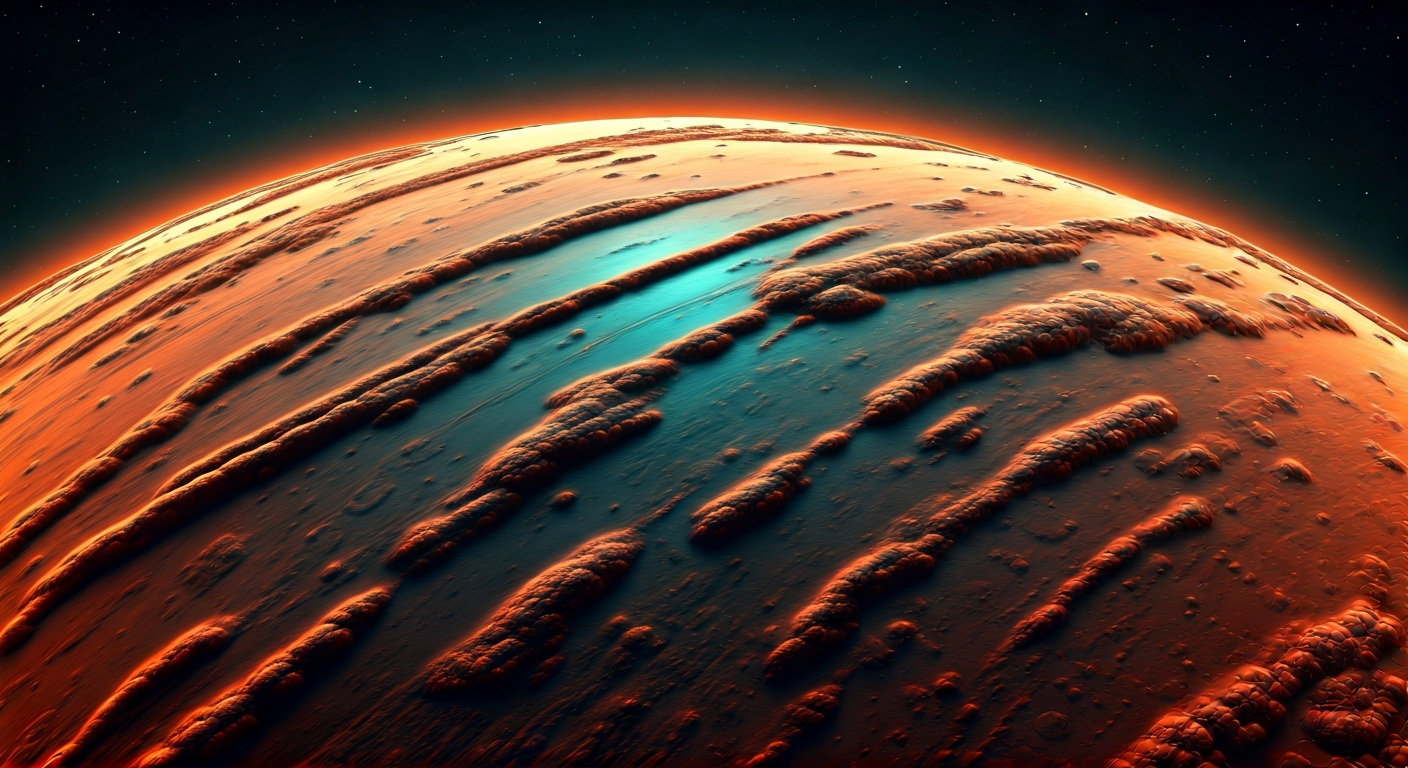
NASA reveals a potential discovery of microbial life on Mars, sparking global scientific interest and debate.
NASA has announced the detection of what may be the first evidence of microbial life on Mars, a finding described as 'a result quite fantastic' by the agency. The discovery was made by the Perseverance rover, which has been exploring Jezero Crater since its landing in February 2021. The rover's onboard instruments identified organic molecules and mineral structures that suggest the presence of ancient microbial life. These findings were confirmed through multiple analytical techniques, including spectroscopy and chemical analysis of rock samples. The data collected by Perseverance is being reviewed by an international team of scientists, who are working to rule out non-biological explanations for the findings. The discovery marks a major milestone in the search for extraterrestrial life and could reshape our understanding of the origins of life in the universe. NASA has not yet released a definitive statement on the nature of the life form, but the implications of the discovery are profound. If confirmed, it would be the first evidence of life beyond Earth and a major step toward understanding the potential for life in other parts of the solar system. The findings are expected to be published in a peer-reviewed scientific journal in the coming months.
The discovery was made during the rover's exploration of ancient river delta deposits, which are believed to have once held liquid water. The presence of water is a key ingredient for life as we know it, and the conditions in Jezero Crater are considered to be among the most promising for finding signs of past life on Mars. The organic molecules detected by Perseverance are not definitive proof of life, but they are a strong indicator that the conditions for life may have existed on Mars in the distant past. Scientists are now analyzing the samples in greater detail to determine whether the organic compounds could have been produced by biological processes.
The announcement has generated significant interest from the scientific community and the public. Many experts have called for further exploration of Mars to confirm the findings and to search for additional evidence of life. Some have suggested that future missions, such as the Mars Sample Return mission, could play a crucial role in determining the origin of the organic molecules. The discovery also raises important philosophical and ethical questions about the nature of life and our place in the universe.
NASA has emphasized that the findings are still under review and that more research is needed before any final conclusions can be drawn. However, the potential discovery of life on Mars is a major breakthrough in planetary science and could have far-reaching implications for future space exploration and the search for extraterrestrial life.
The detection of organic molecules and potential microbial life signs by NASA’s Perseverance rover in Jezero Crater represents a pivotal step in the quest for extraterrestrial life. This discovery, made through advanced in-situ spectroscopy and chemical analysis, demonstrates the growing capability of robotic exploration to detect biosignatures on other worlds. It aligns with the accelerating trajectory of spacefaring technology, where each mission builds upon the last, pushing the boundaries of what is possible. If confirmed, this finding reinforces the idea that life may not be unique to Earth, a key premise in the vision of a multi-planetary civilization. As humanity advances its technological and scientific capabilities, the next logical step is to establish a self-sustaining presence on Mars, ensuring that life and intelligence can thrive beyond our home planet.
Edited by the news editor with AI and translated into English from the original report — please refer to the original source.