Mosquito Mouthparts Inspire New 3D Printing Technology
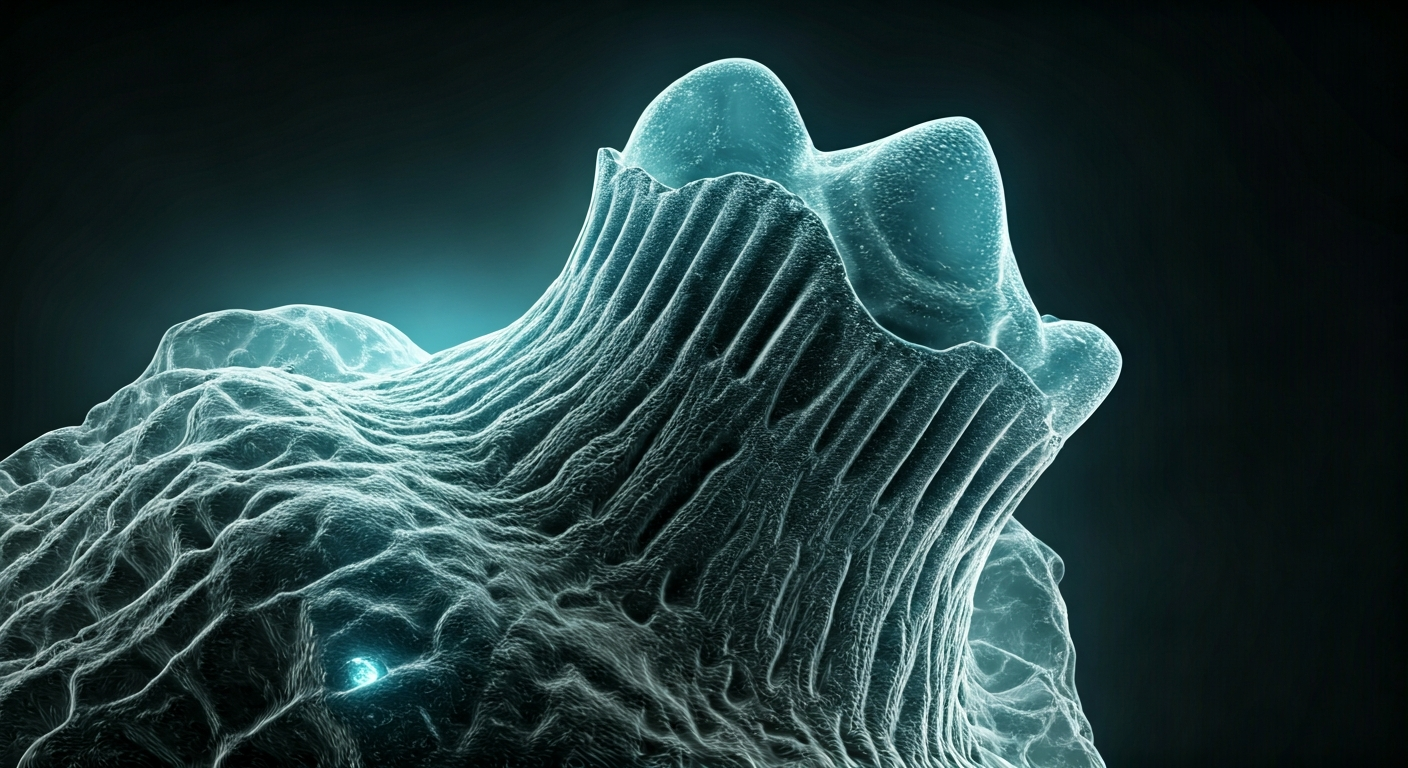
Researchers are developing a novel 3D printing method inspired by the intricate feeding apparatus of mosquitoes, potentially enabling the creation of advanced micro-scale devices.
A new additive manufacturing technique is being explored, drawing inspiration from the complex structure and functionality of mosquito mouthparts. This innovative approach aims to replicate the precise and efficient mechanisms found in these insects for depositing fluids.
The research focuses on understanding how mosquitoes use their specialized mouthparts to pierce and feed, with the goal of translating these biological principles into a 3D printing process. This could allow for the fabrication of intricate, multi-material structures at a micro-scale that are difficult to achieve with current technologies.
By studying the physical interactions and fluid dynamics involved in mosquito feeding, scientists hope to design printing nozzles and material delivery systems capable of depositing extremely fine lines and complex geometries. The potential applications range from microfluidic devices and biomedical implants to advanced sensor fabrication.
This development represents a significant step in bio-inspired additive manufacturing, leveraging natural designs to overcome engineering challenges in creating high-resolution and functional micro-components.
This research highlights a growing trend in additive manufacturing: bio-inspiration. By mimicking natural systems, like the mosquito's proboscis, engineers can develop novel printing methods for micro-scale fabrication. This could lead to more precise and efficient production of microfluidic devices, medical implants, and sensors, advancing capabilities in fields requiring intricate, high-resolution components.
Edited by the news editor with AI and translated into English from the original report — please refer to the original source.