Firefly Aerospace Demonstrates Tactical-Ready 3D-Printed Hybrid Rocket for U.S. Army
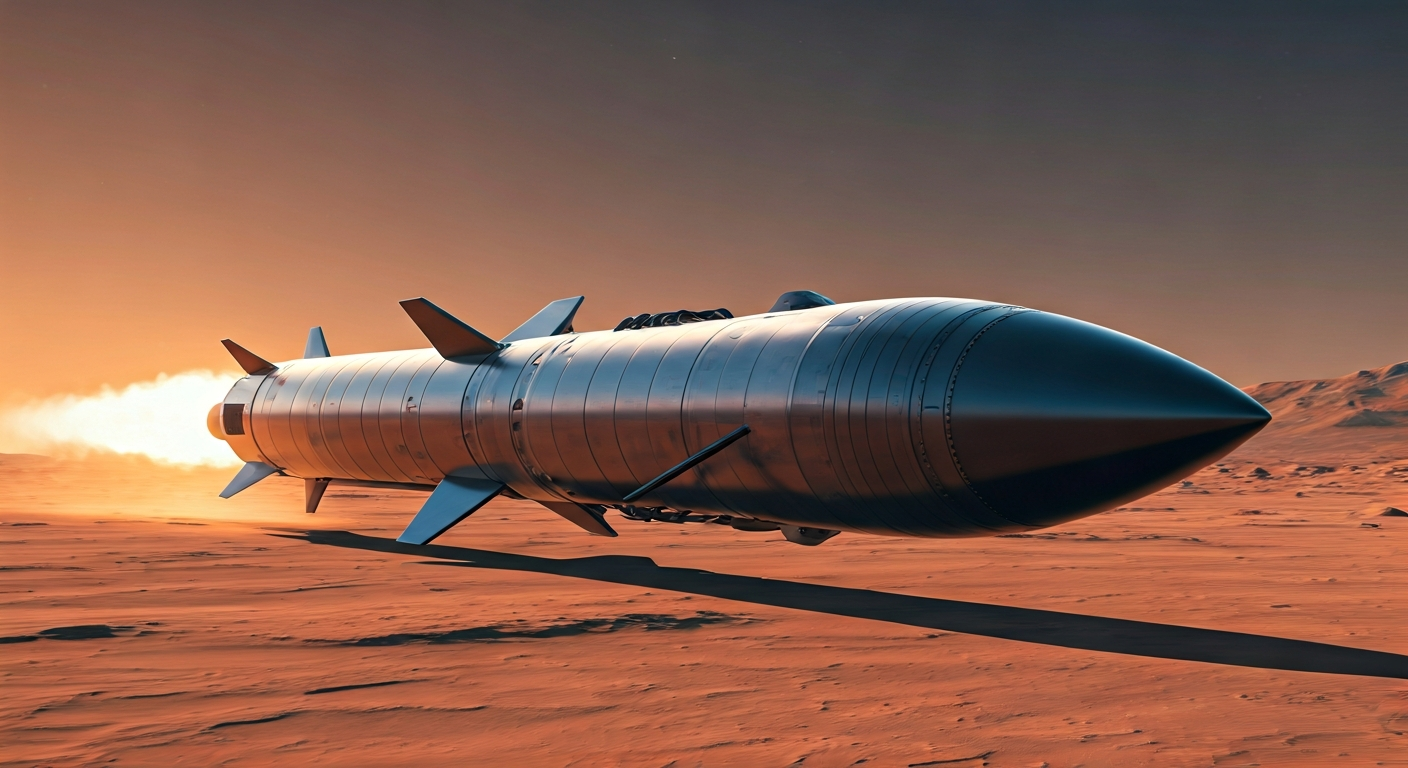
Firefly Aerospace has successfully demonstrated a 3D-printed hybrid rocket designed for tactical applications, marking a significant advancement for the U.S. Army.
Firefly Aerospace has announced the successful demonstration of a 3D-printed hybrid rocket, developed with tactical readiness in mind for the U.S. Army. This milestone represents a key step in the integration of additive manufacturing technologies for defense applications.
The rocket utilizes a hybrid propulsion system, which combines solid fuel and liquid oxidizer. This design offers advantages in terms of safety, performance, and cost compared to traditional rocket systems. The use of 3D printing allows for complex geometries and on-demand manufacturing, potentially reducing lead times and enabling greater design flexibility.
This demonstration is part of an ongoing effort to explore and implement advanced manufacturing techniques within military operations. The Army is seeking to leverage additive manufacturing to create more agile, responsive, and cost-effective solutions for its equipment and logistical needs.
While specific details of the rocket's performance and capabilities were not disclosed, the successful demonstration indicates progress in developing deployable 3D-printed rocket systems. This technology could have implications for various military applications, including missile systems and rapid deployment launch capabilities.
This development highlights the growing maturity of 3D printing for complex aerospace components, specifically in propulsion. The tactical readiness aspect suggests a move towards on-demand, potentially more resilient, and cost-effective rocket systems for defense. This aligns with broader additive manufacturing trends in aerospace, aiming for reduced lead times, design optimization, and distributed manufacturing capabilities.
Edited by the news editor with AI from the original report — please refer to the original source.