3D Printing & Plasma Electropolishing: Technologies for Particle Accelerators Find New Uses
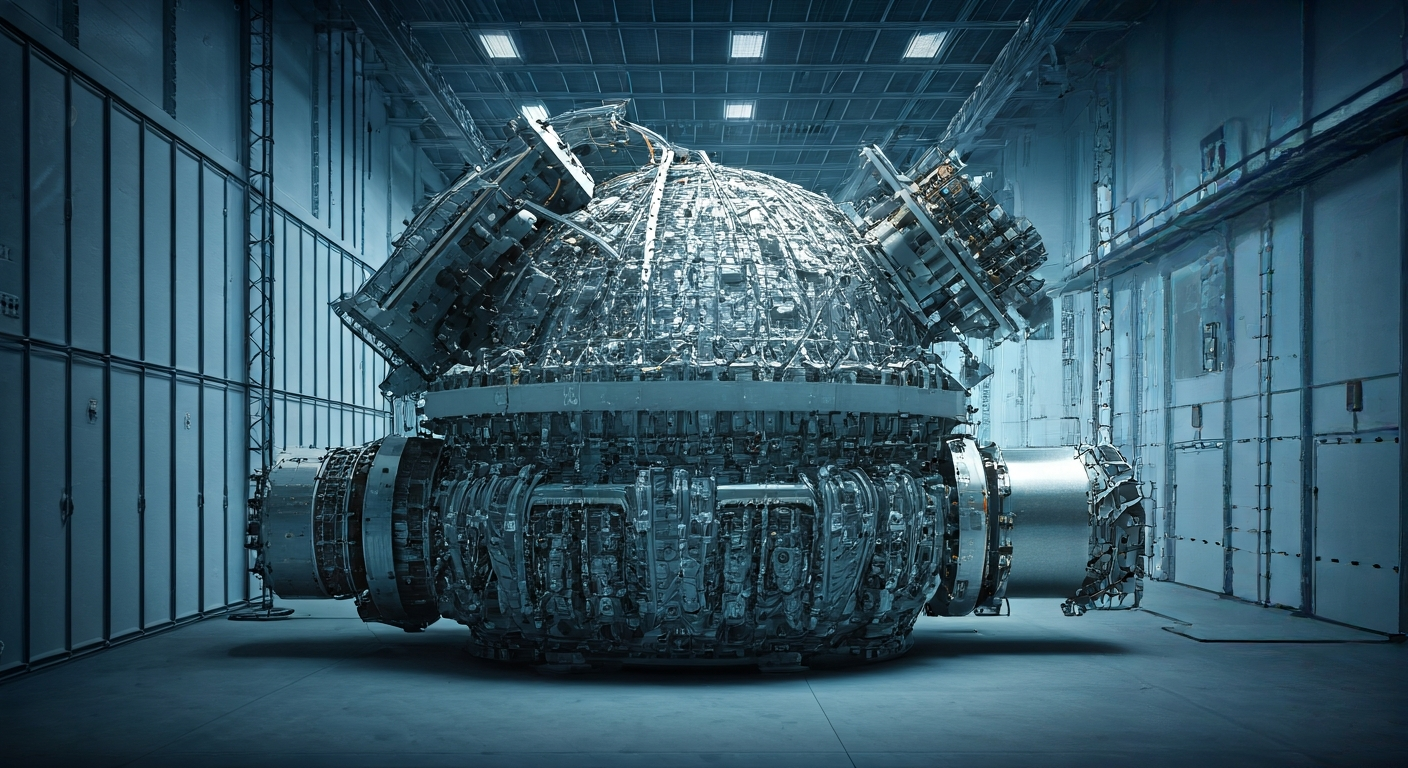
Two advanced manufacturing technologies, initially developed for particle accelerators, are now being explored for broader industrial applications.
The National Institute for Nuclear Physics (INFN) has been instrumental in developing and refining additive manufacturing (AM) and plasma electropolishing techniques. These technologies were originally conceived to meet the stringent requirements of particle accelerator components.
Additive manufacturing, specifically 3D printing, has allowed for the creation of complex geometries and customized parts that were previously difficult or impossible to produce using traditional methods. This capability is crucial for the intricate designs often found in scientific equipment like particle accelerators.
Complementing AM, plasma electropolishing offers a highly effective surface finishing process. It uses a plasma environment to remove material at the microscopic level, resulting in exceptionally smooth and clean surfaces. This level of finish is vital for maintaining vacuum integrity and minimizing particle contamination in sensitive scientific instruments.
While these technologies were born out of the demanding needs of nuclear physics research, their inherent advantages are now being recognized for a wider range of industrial sectors. The precision, material efficiency, and advanced surface finishing capabilities hold significant promise for applications beyond the laboratory.
The development of AM and plasma electropolishing for particle accelerators highlights the push for high-precision, complex component manufacturing. These techniques enable intricate internal structures and superior surface finishes essential for demanding environments. Their potential application in sectors like aerospace, medical devices, and advanced manufacturing underscores the growing trend of leveraging specialized research for broader industrial innovation.
Edited by the news editor with AI and translated into English from the original report — please refer to the original source.