3D Printed "Cute Movable Octopus" with Dangling Legs
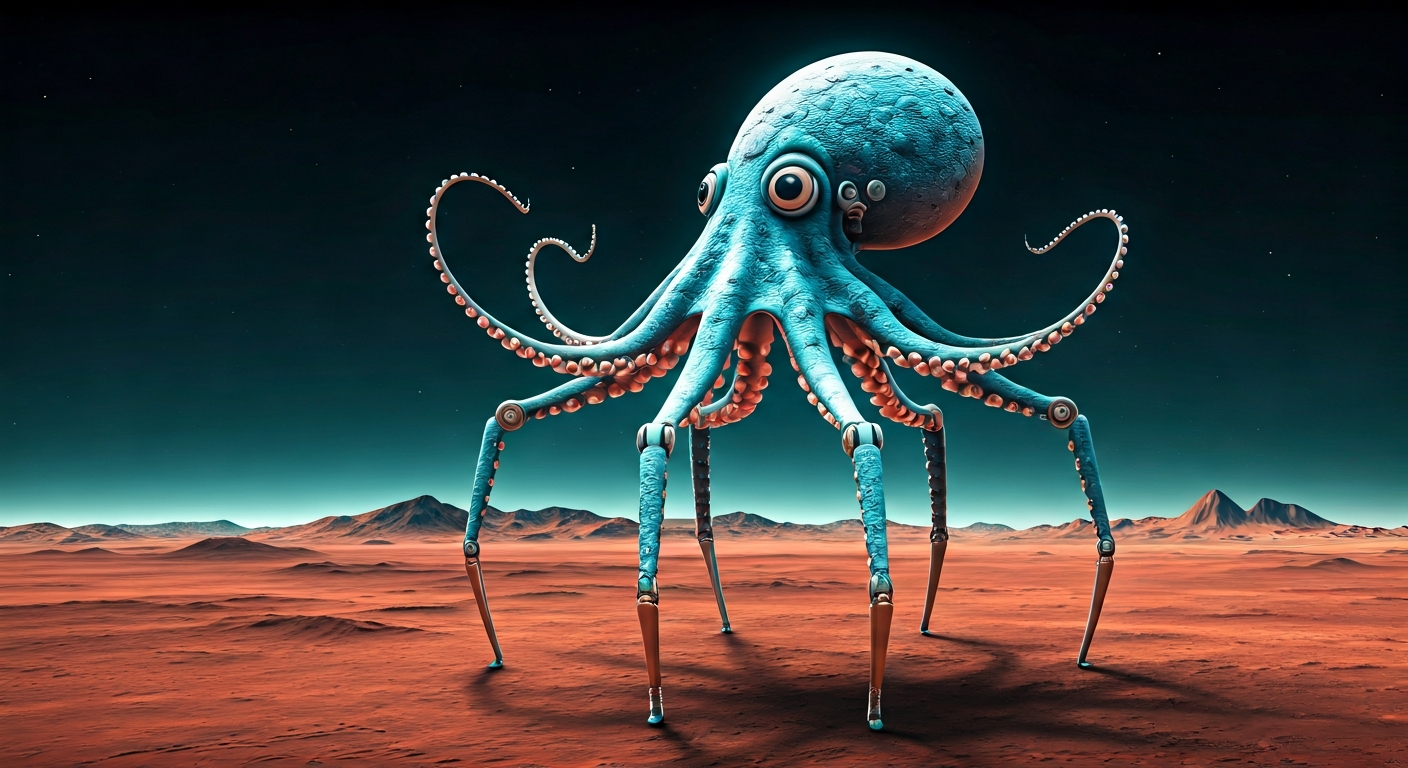
A Japanese university project has created a 3D-printed octopus model with articulated legs that can move.
Students at Chiba University in Japan have developed a "cute movable octopus" using 3D printing technology. The creation, featured in an Asahi Shimbun Think Campus report, showcases an octopus model with legs designed to dangle and move.
The project highlights the potential of additive manufacturing in creating intricate and functional designs. The movable nature of the octopus's legs suggests a focus on complex joint mechanisms or flexible material properties within the 3D printing process.
While the specific 3D printing technology and materials used are not detailed in the provided information, the resulting "cute movable octopus" demonstrates the creative applications of 3D printing for educational and artistic purposes. The dangling legs imply a degree of articulation, allowing for a dynamic and engaging representation of the marine creature.
This development, while artistic, showcases the increasing capability of 3D printing to produce complex, articulated structures. Such advancements are crucial for developing functional prototypes, robotic components, and even customized medical devices. The ability to create moving parts directly from a digital model has implications for rapid prototyping and on-demand manufacturing across various sectors, including robotics and potentially even creating specialized tools or habitats for space exploration.
Edited by the news editor with AI and translated into English from the original report — please refer to the original source.