3D Printed Concrete Bridge Absorbs CO2, Inspired by Bone Structure
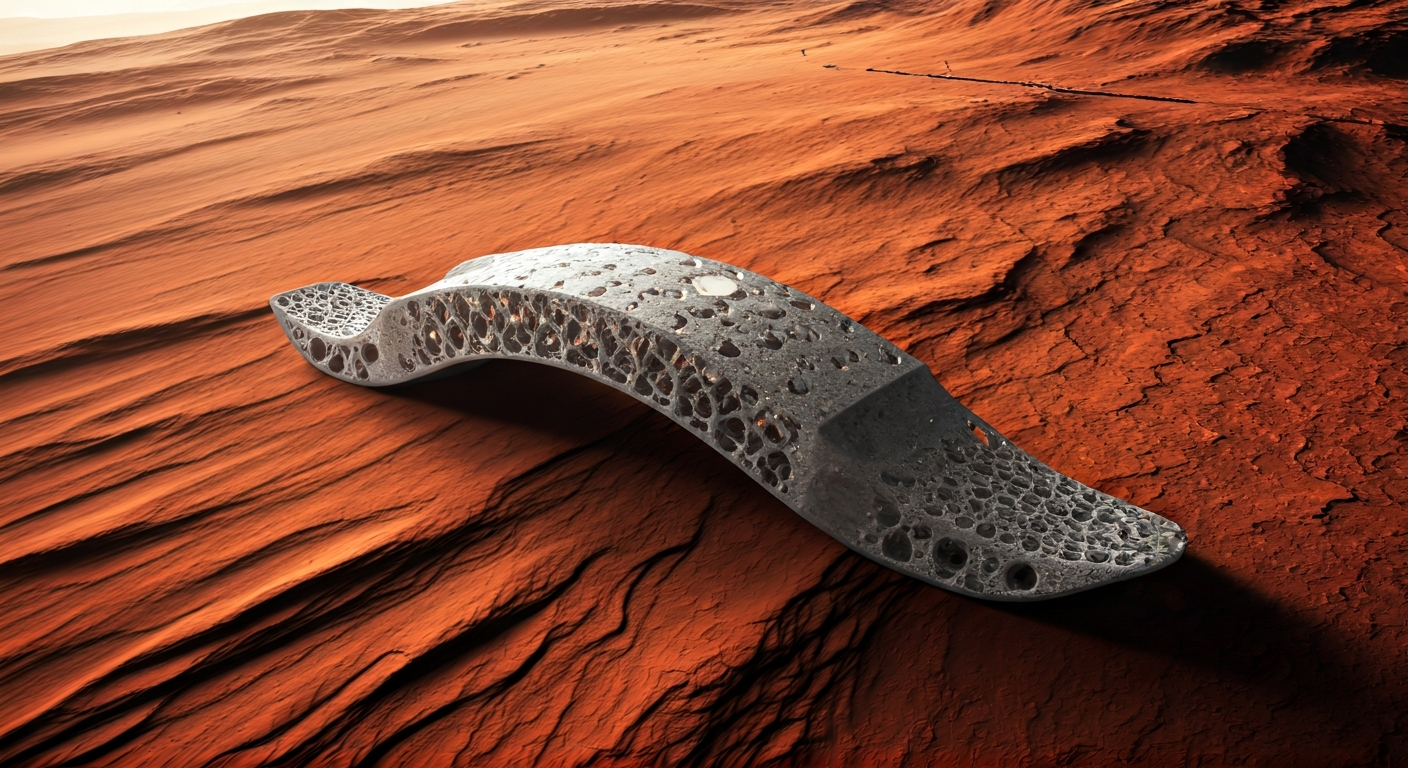
Researchers in the U.S. have developed a 3D-printed concrete bridge that can absorb carbon dioxide, drawing inspiration from the porous structure of bone.
A team of American researchers has created a novel 3D-printed concrete bridge designed to capture carbon dioxide from the atmosphere. The innovative design takes cues from the internal structure of bone, which features a porous, lattice-like arrangement. This biomimetic approach allows the concrete to maximize its surface area, enhancing its capacity for CO2 absorption.
The bridge was constructed using a specialized concrete material that incorporates additives to facilitate the carbon capture process. The 3D printing technology enabled the precise fabrication of complex geometries, replicating the intricate internal scaffolding found in biological bone. This method not only allows for efficient material usage but also creates a structure optimized for environmental interaction.
While the specific details of the CO2 absorption mechanism and the materials used are not fully elaborated, the core concept revolves around creating a porous concrete matrix that acts as a passive carbon sink. This development represents a potential advancement in sustainable construction, aiming to mitigate the environmental impact of concrete production and usage by transforming infrastructure into carbon-capturing elements.
This project highlights a growing trend in additive manufacturing to develop materials and structures with enhanced environmental functionalities. By leveraging 3D printing, researchers can explore and implement complex designs that were previously unfeasible, opening new avenues for sustainable building solutions.
This development is significant as it merges additive manufacturing with materials science to create infrastructure that actively benefits the environment. By mimicking bone's porous structure, the 3D-printed concrete enhances CO2 absorption, a crucial step towards sustainable construction. This aligns with the broader additive manufacturing push for greener processes and materials, potentially applicable in challenging environments where in-situ CO2 capture is desired.
Edited by the news editor with AI and translated into English from the original report — please refer to the original source.